
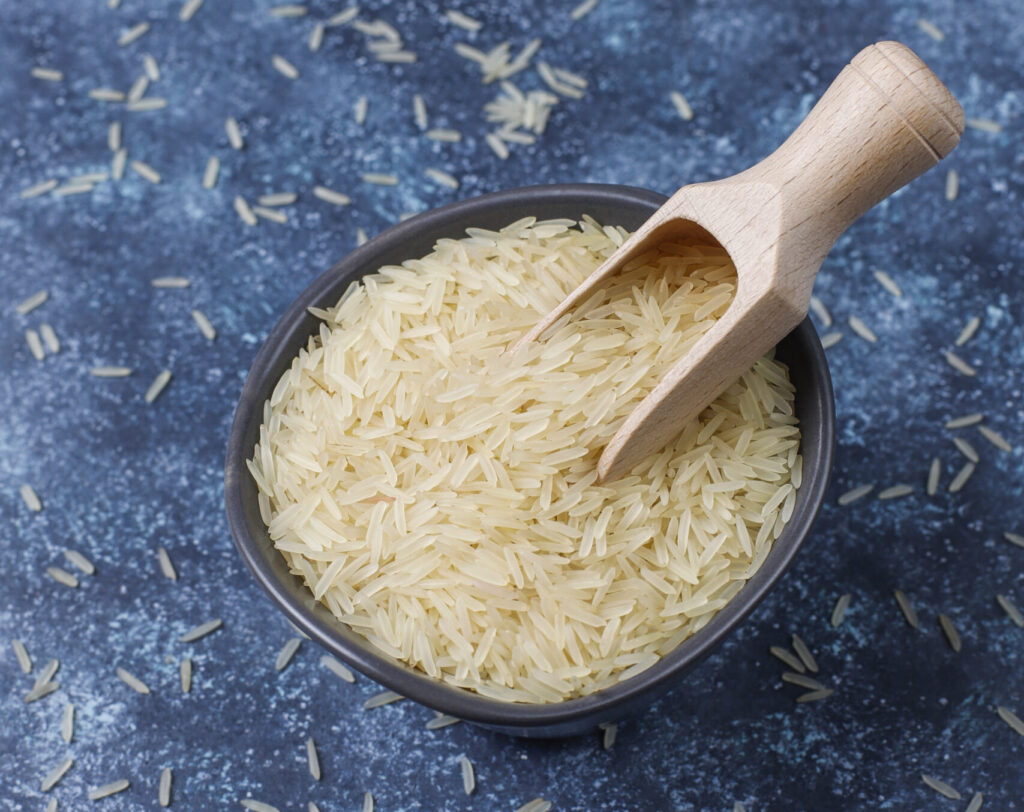
Introduction to Sella Basmati Rice
Rice is a staple in many homes, but not all rice delivers the same experience. If you have ever noticed rice that stays separate, looks elegant on the plate, and carries a subtle aroma, you were likely eating Sella Basmati Rice.
This variety is especially valued for its ability to hold its shape after cooking. It does not clump, it does not turn mushy, and it works beautifully in both simple meals and rich dishes.
From Indian kitchens to international markets, this rice has built a strong reputation—and for good reason.
What Does “Sella” Mean in Sella Basmati Rice?
The term “Sella” refers to a traditional technique used before the rice is polished. This method is known as parboiling.
Here’s what happens in simple terms:
- The rice is soaked while still in its husk
- It is partially cooked using steam
- Then it is dried and milled
This process changes the grain in subtle but important ways:
- It becomes firmer
- It absorbs nutrients from the outer layer
- It gets a slightly golden or creamy shade
Because of this, Sella Basmati Rice is stronger and more reliable during cooking compared to regular rice.
Types of Sella Basmati Rice:
Different markets and dishes prefer different variations. The main types include:
Golden Sella
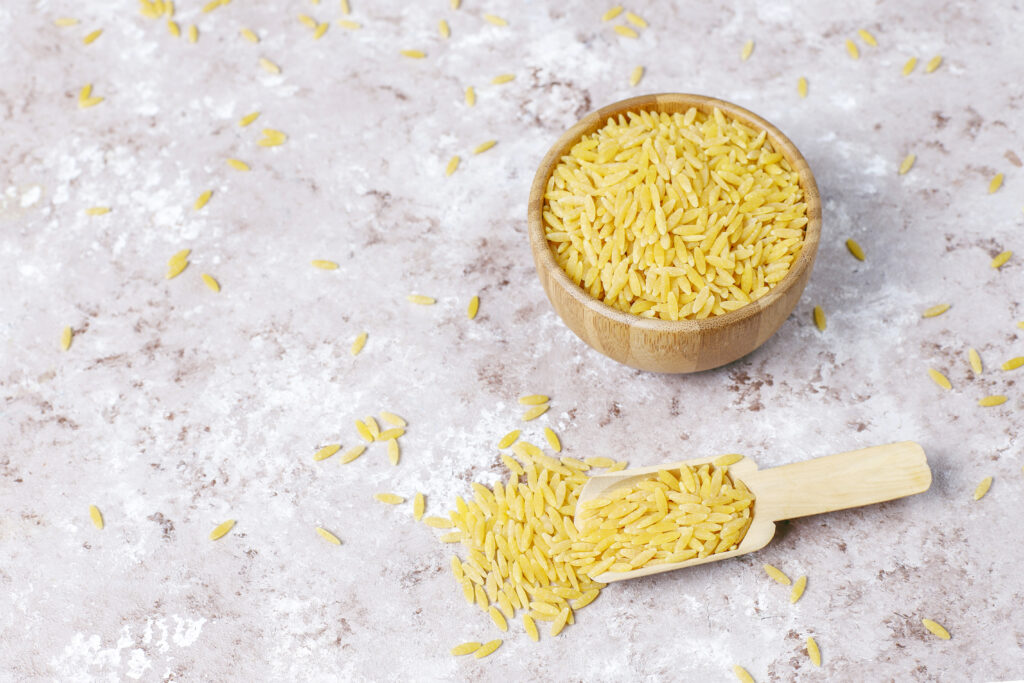
- Rich golden color
- Slightly bold aroma
- Commonly used in biryani and festive meals
White Sella
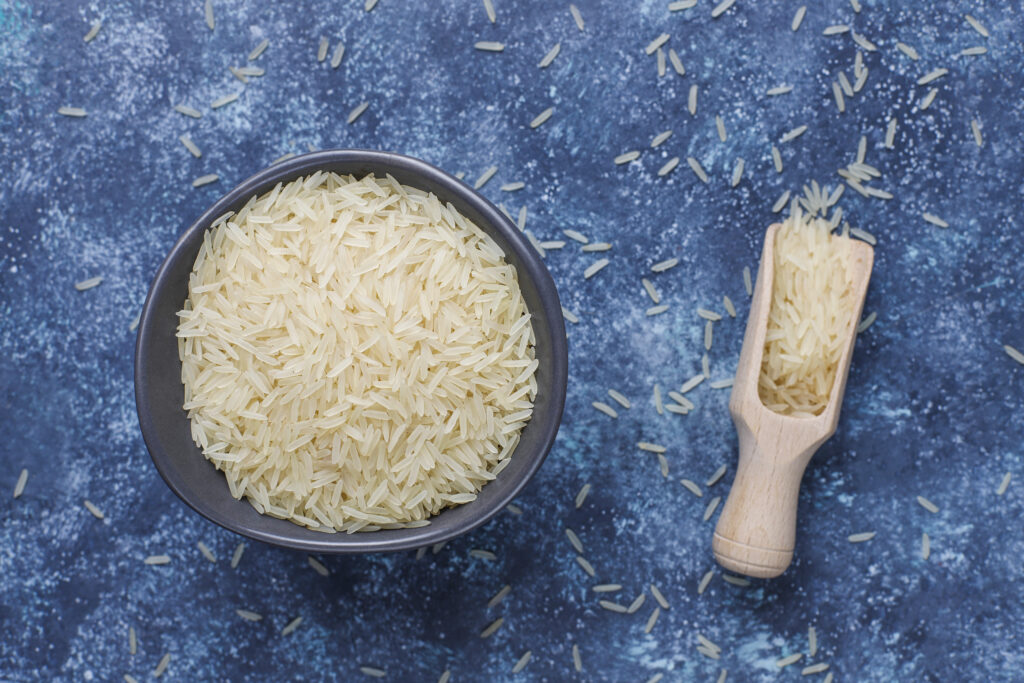
- Lighter shade
- Clean and polished look
- Suitable for everyday cooking
Creamy Sella
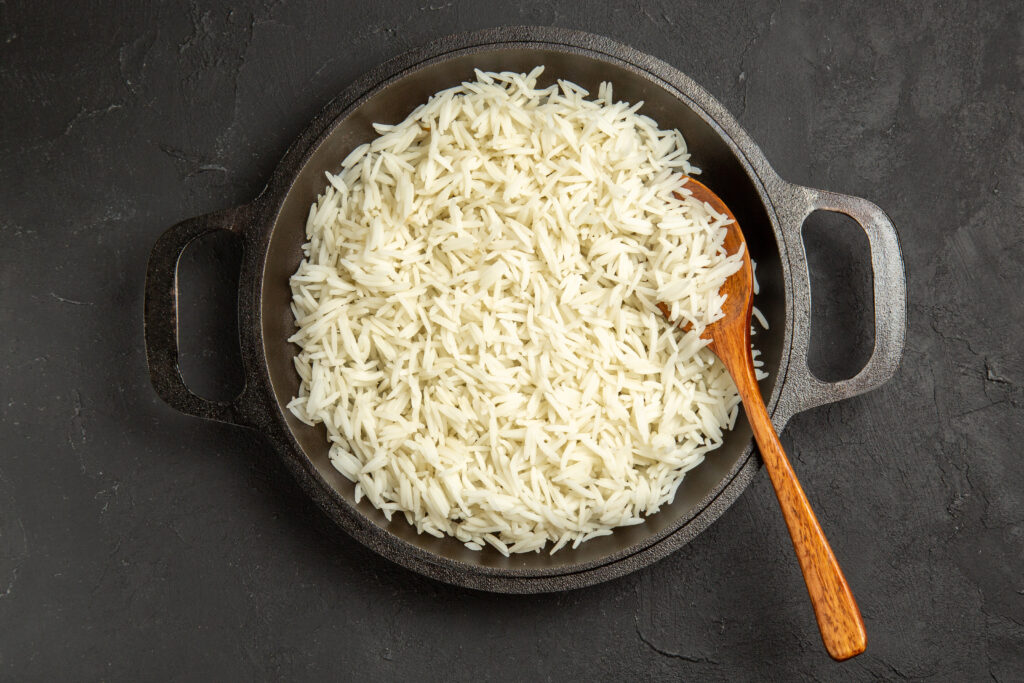
- Soft off-white tone
- Balanced taste and texture
Each version of Sella Basmati Rice has its own appeal, but all are known for their long grains and non-sticky finish.
Nutritional Value of Sella Basmati Rice
Apart from taste and texture, nutrition also plays an important role.
What you get:
- Energy-rich carbohydrates
- Moderate protein content
- Low fat levels
- Essential minerals in small amounts
One advantage of this rice is that the processing helps retain nutrients that are usually lost in regular polishing.
For people looking for a balance between taste and nourishment, Sella Basmati Rice can be a smart choice.
Benefits of Sella Basmati Rice
There is a reason why this rice is widely used in both homes and large-scale kitchens.
Key advantages:
- Grains remain separate and fluffy
- Longer shelf life compared to raw rice
- Less chance of overcooking
- Easy to handle in bulk cooking
- Consistent quality across batches
For exporters and restaurant owners, Sella Basmati Rice offers reliability that’s hard to match.
How Sella Basmati Rice is Processed:
The quality of this rice comes from how carefully it is prepared.
The process includes:
- Hydration – Paddy is soaked to prepare it for steaming.
- Heat treatment – Steam is applied to partially cook the grain.
- Drying phase – Moisture is reduced before milling.
This sequence strengthens the grain structure and locks in certain nutrients.
As a result, Sella Basmati Rice is less likely to break during handling and cooking.
How to Cook Sella Basmati Rice Perfectly:
Cooking this rice is simple once you understand the basics.
Before cooking:
- Rinse thoroughly
- Soak for around 20–30 minutes
Water ratio:
- Typically 1 cup rice to 2 cups water
Cooking options:
On the stove:
- Bring to a boil, then simmer until done
In a rice cooker:
- After adding water, let the machine take care of the rest.
Using a pressure cooker:
- Cook briefly to avoid over-softening
Helpful tips:
- Let the rice rest after cooking
- Avoid stirring while it cooks
When prepared correctly, Sella Basmati Rice expands well and keeps its signature long shape.
Popular Dishes Made with Sella Basmati Rice
This rice works across a wide range of dishes.
Common uses:
- Biryani
- Vegetable pulao
- Fried rice
- Plain steamed rice
It is especially popular in professional kitchens because it:
- Enhances presentation
- Absorbs flavors evenly
- Stays firm even after reheating
That’s why chefs often rely on Sella Basmati Rice for consistent results.
Sella Basmati Rice vs Other Basmati Varieties:
Selecting the appropriate type is made easier by being aware of the differences.
Compared to raw basmati:
- Sella is firmer
- Raw is softer and more delicate
Compared to steam basmati:
- Sella takes slightly longer to cook
- Steam rice cooks faster but is less sturdy
Overall:
- Better for heavy dishes
- More forgiving during cooking
For dishes that require structure and presentation, Sella Basmati Rice is often preferred.
Export Quality and Global Demand:
This rice plays a major role in international trade.
Why global buyers prefer it:
- Uniform grain size
- High durability during shipping
- Consistent cooking results
Key markets include:
- Gulf countries
- African regions
- Parts of Europe
Exporters choose Sella Basmati Rice because it maintains its quality even after long transit periods.
How to Choose the Best Sella Basmati Rice
Selecting good rice doesn’t have to be complicated.
What to check:
- Grain length should be long and slender
- Color should be even
- No broken grains
Also consider:
- Proper packaging
- Trusted supplier
- Aging (older rice cooks better)
High-grade Sella Basmati Rice is easy to पहचान —you can see and feel the difference.
Storage Tips for Sella Basmati Rice
Proper storage keeps the rice fresh and usable for longer.
Best practices:
- Store in airtight containers
- Keep in a dry, cool place
- Avoid exposure to moisture
What to avoid:
- Humid environments
- Open storage
With the right care, Sella Basmati Rice maintains its quality over time.
Frequently Asked Questions
Is this rice good for daily use?
Yes, it works well for both everyday meals and special dishes.
Why does it look slightly yellow?
The color comes from the parboiling process.
Do I need to soak it?
Soaking improves texture and helps in even cooking.
Is it suitable for biryani?
Yes, it’s long and separate grains make it ideal for such dishes.
Conclusion
When it comes to choosing rice that delivers both quality and consistency, Sella Basmati Rice stands out. Its unique processing, strong grains, and reliable cooking performance make it suitable for a wide range of uses.
Whether you’re cooking at home or supplying to international markets, this rice offers a balance of taste, durability, and visual appeal.
If you want rice that performs well every time, this is one option you can confidently rely on.
Basmati Rice: 9 Things You Should Know About the Best Rice in the WorldBasmati Rice: 9 Things You Should Know About the Best Rice in the WorldDiscovering 4 Epilux Basmati Rice: A Grain Above the Rest