
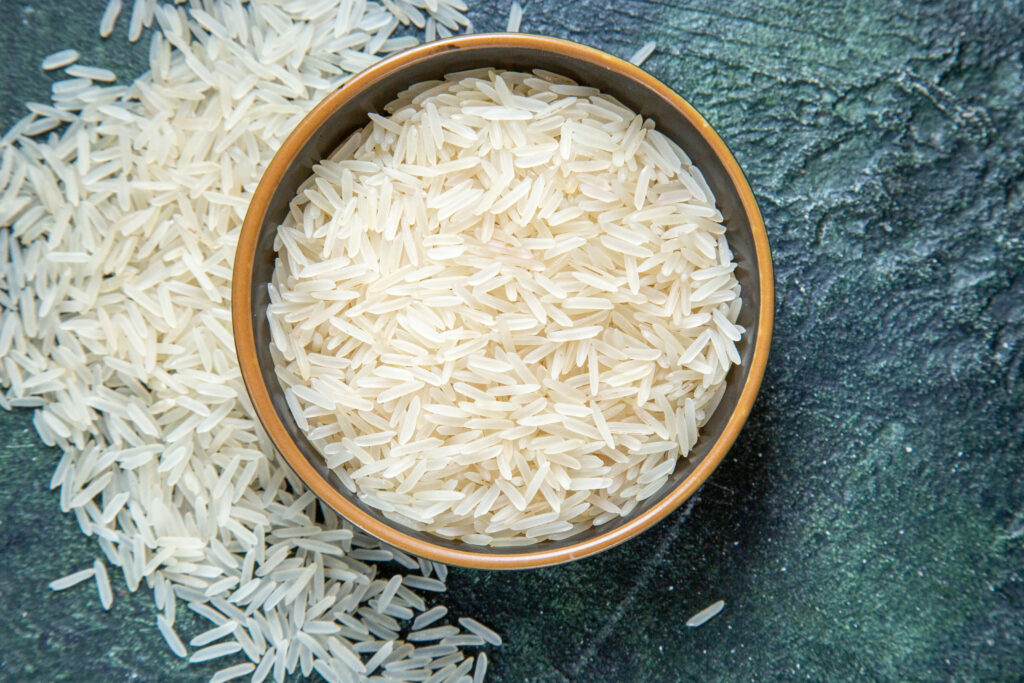
One of the most popular and expensive types of rice worldwide is basmati rice. It has been a mainstay in homes for ages because of its delicate flavor, deep scent, and long grains. This lends style and flavor to every dish, whether you are cooking a straightforward dinner or a spectacular one.
You will discover everything there is to know about this in this article, including its history, advantages, varieties, and ideal cooking methods.
Basmati rice: what is it?
Traditionally cultivated throughout the Indian subcontinent, particularly in parts of India and Pakistan, it is a long-grain rice type. The Sanskrit word “basmati” means “fragrant” or “full of aroma.”
What distinguishes basmati rice is:
• Extra-long, thin grains
• A unique, organic scent
• After cooking, the texture is soft and fluffy.
• The non-sticky quality
Origin and Growth
The rich plains of Northern India, which include states like Haryana, Punjab, and Uttarakhand are the main locations for the cultivation of basmati rice. The distinctive flavor and quality of this are caused by the climate, soil, and water in these areas.
One of the biggest exporters of basmati rice, India supplies high-quality grains globally.
Basmati Rice Types
There are several varieties of Basmati rice that people around the world enjoy, each with its unique characteristics and flavor profiles. For instance, the traditional white Basmati is known for its long grains and delicate aroma, while the brown Basmati retains its bran layer, offering a nuttier flavor and higher nutritional value. Another popular choice is the organic Basmati, which is cultivated without synthetic pesticides, appealing to health-conscious consumers. Additionally, aged Basmati rice, which is stored for several months or years, develops a deeper flavor and aroma, making it a favorite among culinary enthusiasts. The store offers a variety of rice varieties. Among the well-liked kinds are:
1. Conventional Basmati Rice
This is the original cultivar, renowned for its genuine flavor and scent.
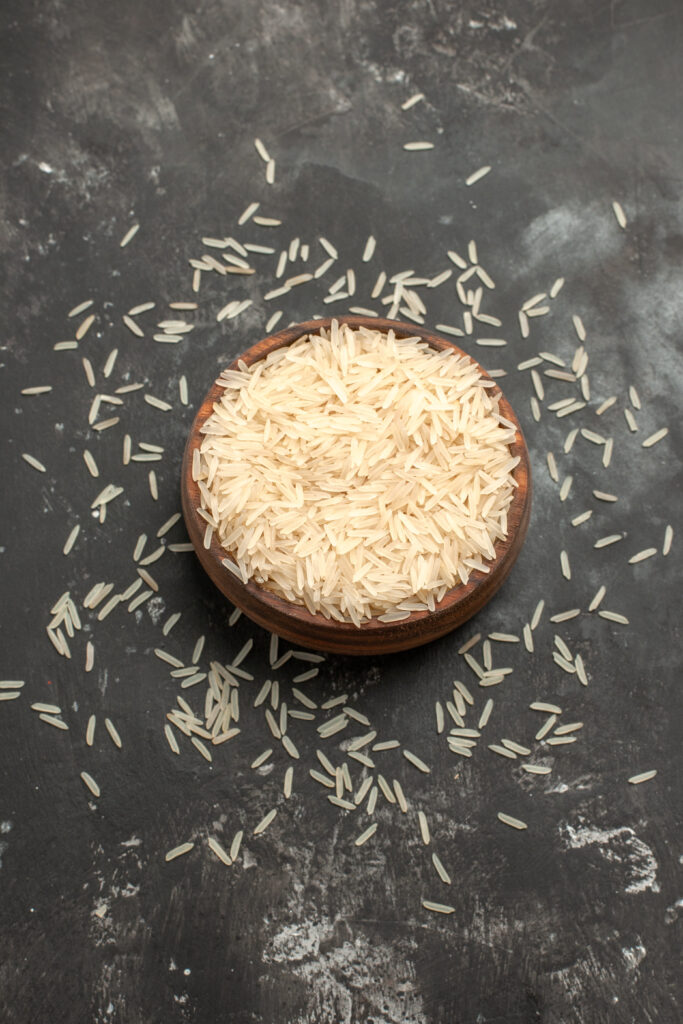
2. Basmati Rice (1121)
Extra-long grains
• After cooking, it greatly expands
• Frequently included in biryani
3. Basmati rice from Pusey
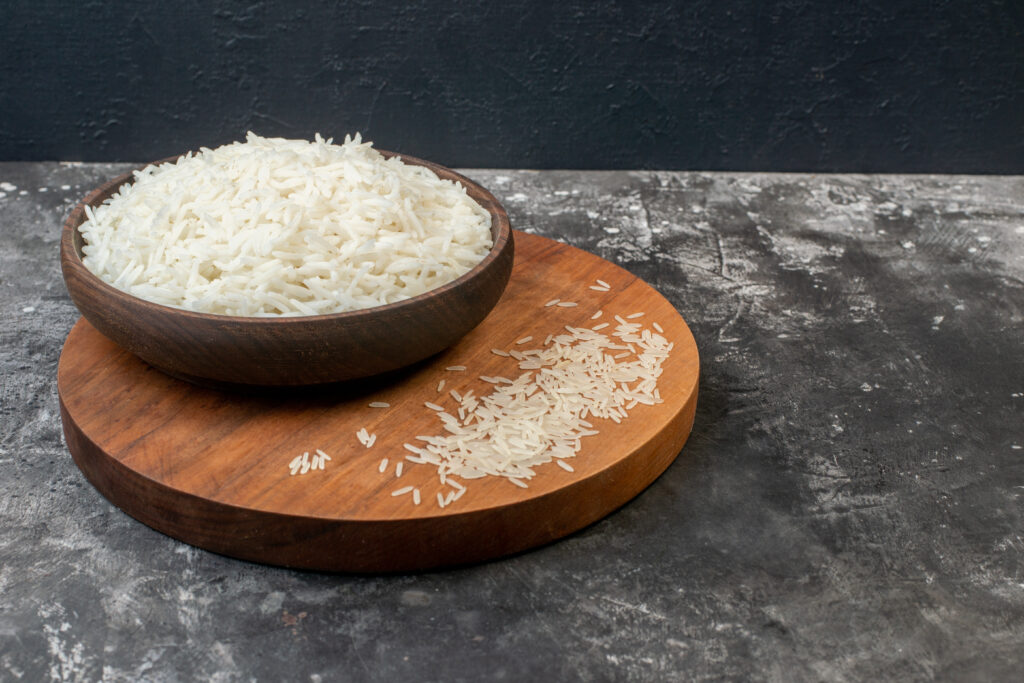
• Designed to increase yield
• Reasonably priced and pleasant scent
4. Basmati Brown Rice
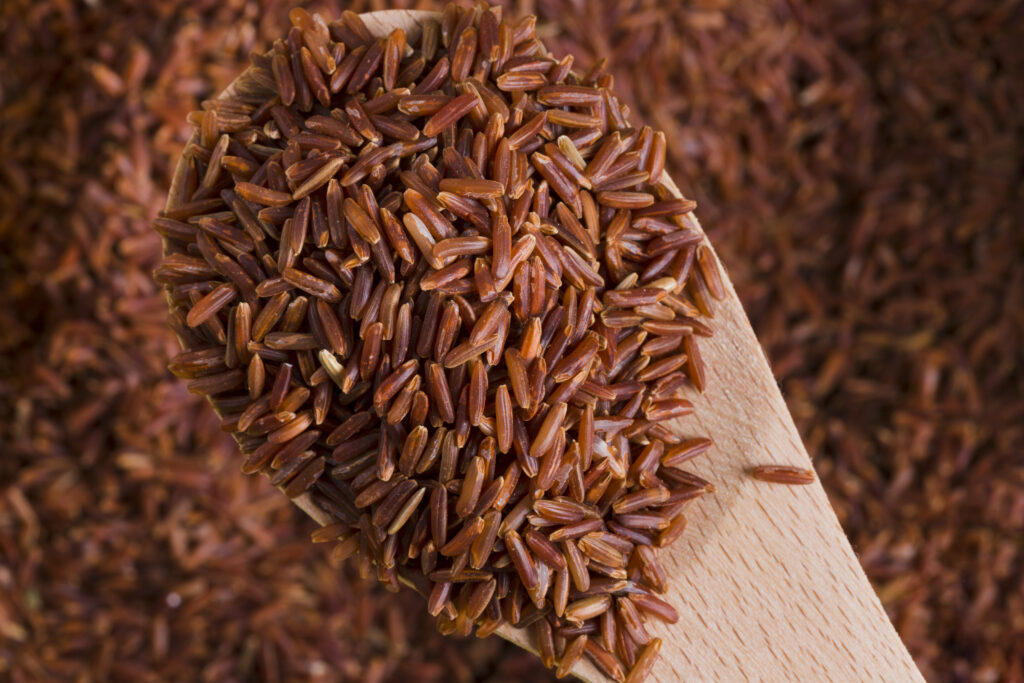
• Reduced processing
• More fiber
• A healthier substitute
5. Sella Basmati Rice
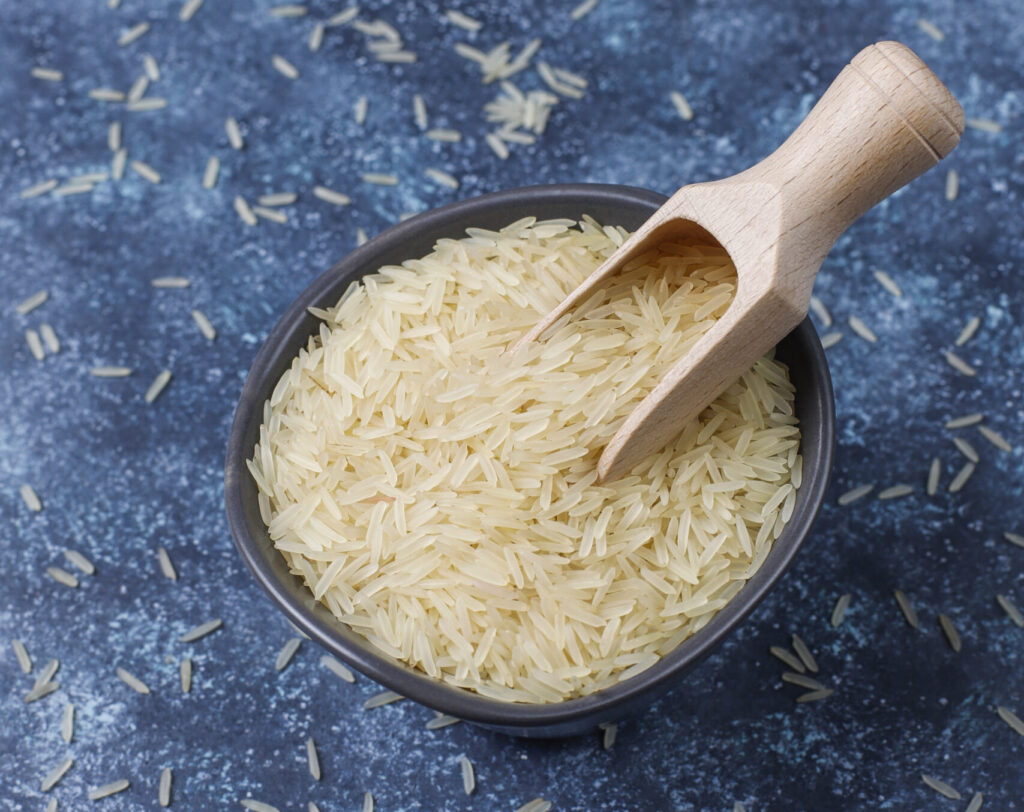
This variety is especially valued for its ability to hold its shape after cooking.
Why Choose Basmati Rice? The Benefits Beyond Taste
We all talk about taste, but this rice packs more into those slender grains than just flavor. Let’s explore some compelling reasons why incorporating Basmati rice into your diet might be a smarter choice:
- Low Glycemic Index: This has a comparatively lower glycemic index than many other rice varieties, which means it causes a slower, steadier rise in blood sugar levels—great news for those watching their blood sugar.
- Gluten-Free: Perfect for people with gluten intolerance or celiac disease, This is a naturally gluten-free food.
- Rich in Fiber: Brown Basmati rice especially retains the bran layer, providing plenty of dietary fiber to support digestion.
- Nutritional Profile: It contains essential nutrients like thiamine, niacin, and iron, contributing to overall wellbeing.
From a culinary standpoint, Basmati rice’s light and fluffy nature means it absorbs spices and sauces beautifully without becoming mushy or overpowering, making it the perfect canvas for diverse flavors.
Cooking Basmati Rice Like a Pro: Tips and Tricks
Cooking this might seem straightforward, but nailing that ideal fluffy yet tender texture involves a few secrets. Here are some professional tips I’ve picked up over the years:
- Rinse Thoroughly: Rinse the rice multiple times under cold water until the water runs almost clear. This removes excess starch and prevents clumping.
- Soak for 30 Minutes: Soaking the grains before cooking helps them absorb water, reduces cooking time, and promotes elongation.
- The Right Water Ratio: Typically, use 1.5 cups of water for every cup of this. Adjust based on brand and preferences.
- Gentle Simmer: Bring to a boil, reduce heat to low, cover tightly, and let it steam for 15-20 minutes. Resist lifting the lid prematurely!
- Let It Rest: After cooking, let the rice sit covered off the heat for 5-10 minutes to firm up the grains.
- Fluff with a Fork: Avoid stirring with a spoon to keep grains intact and airy.
Master these steps and you’ll have the ideal fluffy, fragrant rice that’s ready to elevate any dish.
Delicious Ways to Enjoy Basmati Rice: Recipes to Try
The beauty of Basmati rice is its adaptability. Whether you want a simple side, a festive rice pilaf, or an elaborate biryani, this rice is your trusty base. Here are a few favorites to inspire your next meal:
- Classic Vegetable Pulao: Fragrant Basmati cooked with cumin seeds, cloves, cardamom, and colorful vegetables—simple, wholesome, and comforting.
- Chicken Biryani: Layered with marinated chicken, spices, and caramelized onions, slowly cooked so every grain is infused with flavor.
- Lemon Rice: Tangy and vibrant, mixed with mustard seeds, curry leaves, peanuts, and fresh lemon juice.
- Persian Saffron Rice: Basmati infused with saffron strands and a touch of rosewater, often served with kabobs or stews.
Feel free to experiment by substituting regular rice in your favorite dishes with Basmati—it’s almost guaranteed to add an extra layer of sophistication.
Storing and Selecting the Best Basmati Rice
For the freshest taste, always pick Basmati rice packaged within the last year and stored in a cool, dry place. Whole-grain brown Basmati has a shorter shelf life than white due to its oil-rich bran layer, so consume it sooner or refrigerate it if you live in humid areas.
Look for authentic certifications like the Geographical Indication (GI tag) for true Basmati, and be wary of “Basmati-style” or “Basmati-type” rice which usually fall short on aroma and texture.
Keep your rice in airtight containers to protect it from pests and moisture. When in doubt, trust your nose: genuine Basmati rice unmistakably carries that delicate nutty, popcorn-like aroma.
The Global Impact and Cultural Significance of Basmati Rice
Basmati rice is far more than just a food staple; it carries deep cultural roots and economic importance across South Asia. It has historically been present in royal kitchens, religious rituals, and festive celebrations. Its export has connected farmers, traders, and communities worldwide, making it a globally cherished commodity.
Food historians find Basmati rice fascinating as a symbol of culinary heritage, representing the intricate connection between land, tradition, and innovation. As chefs experiment with global fusion dishes, Basmati continues to inspire fresh takes while honoring its timeless appeal.
Final Thoughts: Making Basmati Rice a Pantry Essential
At its core, Basmati rice embodies a wonderful balance: simplicity meets elegance, tradition meets versatility. Whether you’re an experienced cook, someone eager to learn more about world cuisines, or simply searching for that perfect rice to complement your meals, Basmati has much to offer.
Embracing Basmati rice means welcoming aroma, texture, and nutrition into your everyday cooking. So next time you shop for rice, give this queen of grains a chance. Your taste buds—and your dinner guests—will thank you.
Thanks for joining me on this flavorful exploration! Keep an eye out next week when we’ll delve into the world of spices that pair perfectly with Basmati rice, unlocking even more culinary magic together. Until then, happy cooking and bon appétit!