
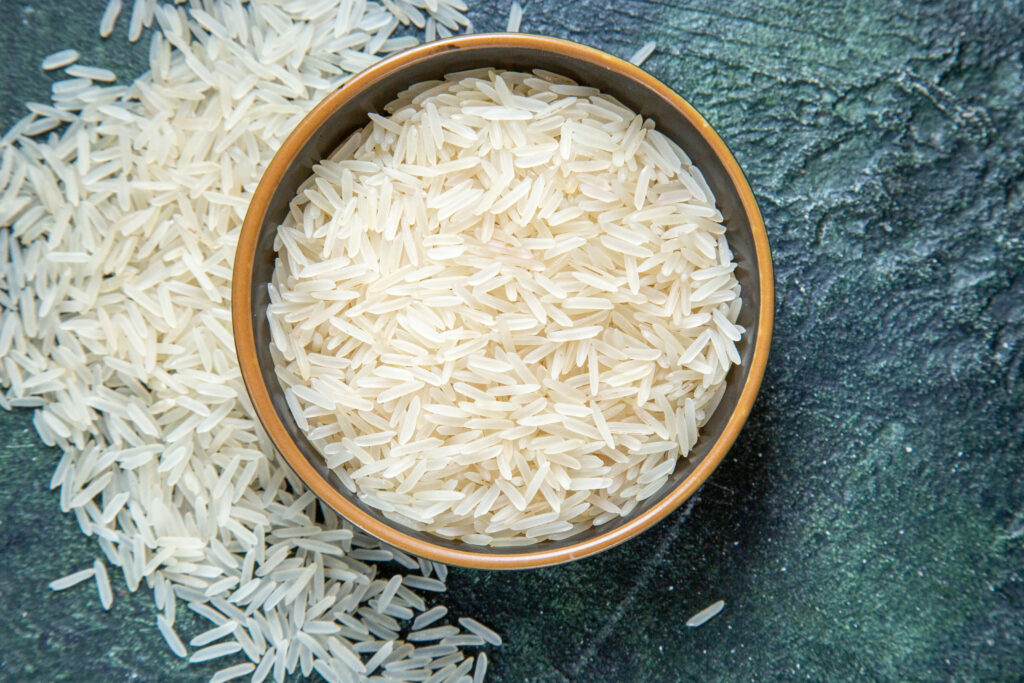
One of the most popular and expensive types of rice worldwide is basmati rice. It has been a mainstay in homes for ages because of its delicate flavor, deep scent, and long grains. Basmati rice lends style and flavor to every dish, whether you are cooking a straightforward dinner or a spectacular one.
You will discover everything there is to know about basmati rice in this article, including its history, advantages, varieties, and ideal cooking methods.
Basmati rice: what is it?
Traditionally cultivated throughout the Indian subcontinent, particularly in parts of India and Pakistan, basmati rice is a long-grain rice type. The Sanskrit word “basmati” means “fragrant” or “full of aroma.”
What distinguishes basmati rice is:
• Extra-long, thin grains
• A unique, organic scent
• After cooking, the texture is soft and fluffy.
• The non-sticky quality
Origin and Growth
The rich plains of Northern India, which include states like Haryana, Punjab, and Uttarakhand are the main locations for the cultivation of basmati rice. The distinctive flavor and quality of basmati rice are caused by the climate, soil, and water in these areas.
One of the biggest exporters of basmati rice, India supplies high-quality grains globally.
Basmati Rice Types
The store offers a variety of basmati rice varieties. Among the well-liked kinds are:
1. Conventional Basmati Rice
This is the original cultivar, renowned for its genuine flavor and scent.
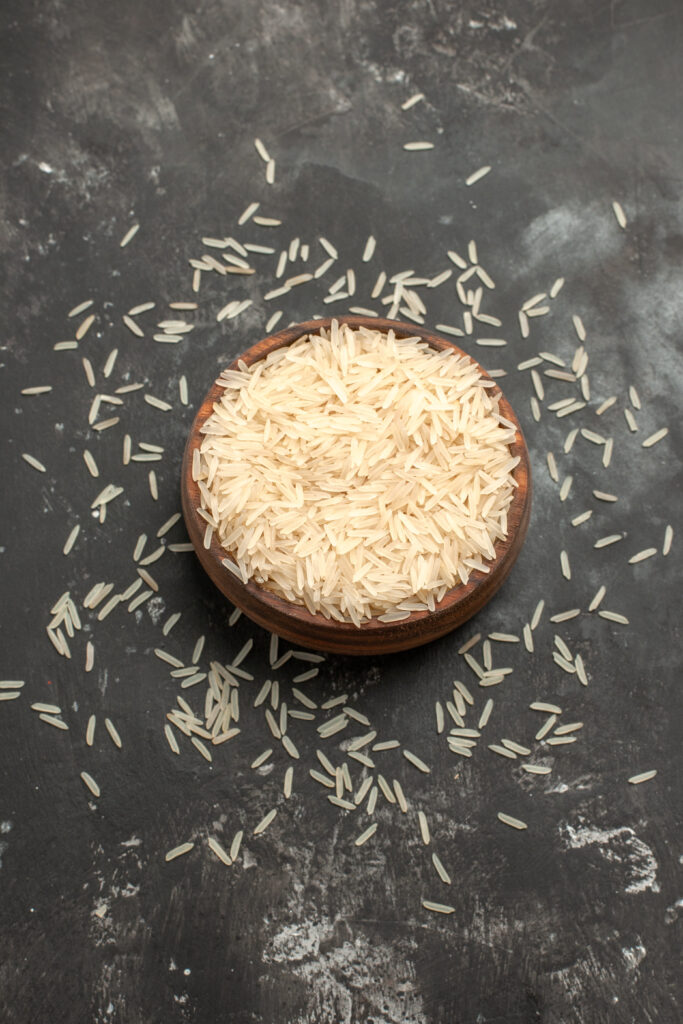
2. Basmati Rice (1121)
Extra-long grains
• After cooking, it greatly expands
• Frequently included in biryani
3. Basmati rice from Pusey
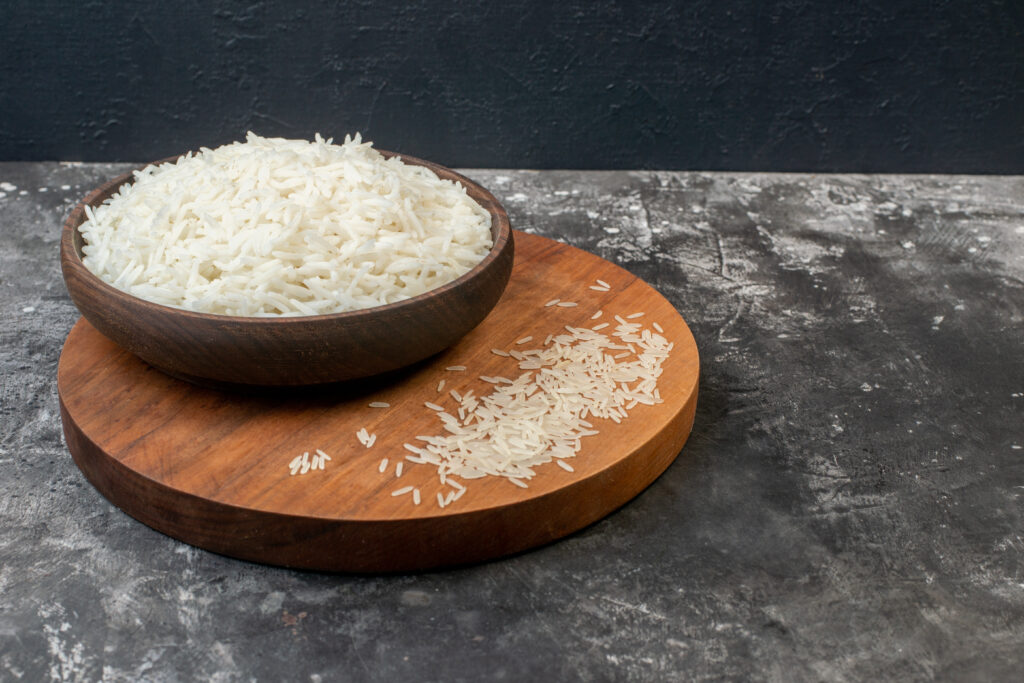
• Designed to increase yield
• Reasonably priced and pleasant scent
4. Basmati Brown Rice
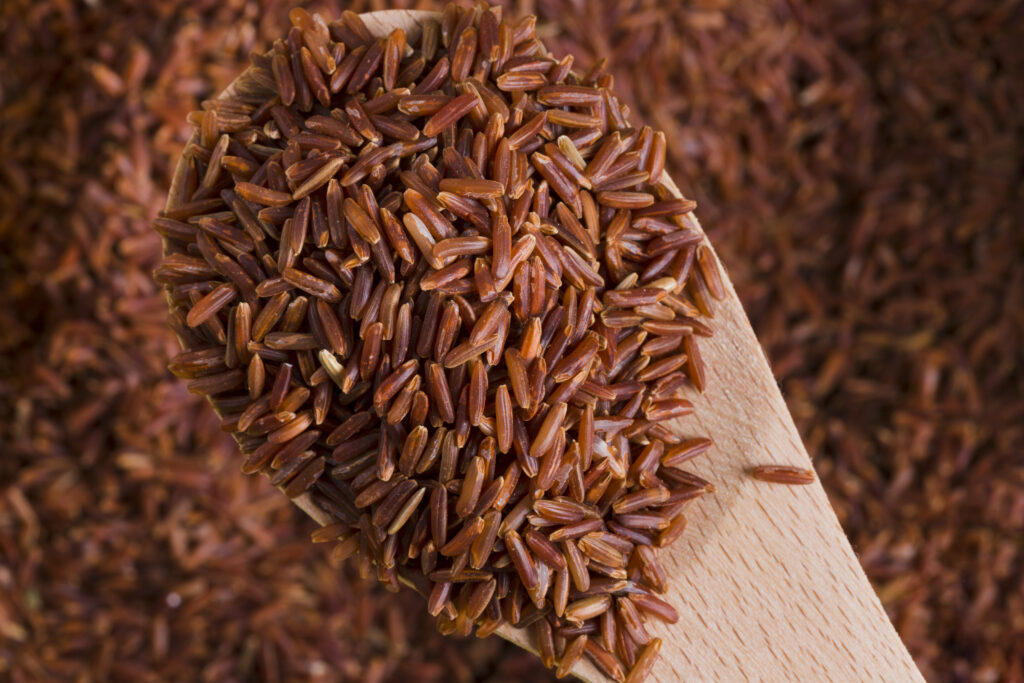
• Reduced processing
• More fiber
• A healthier substitute
5. Sella Basmati Rice
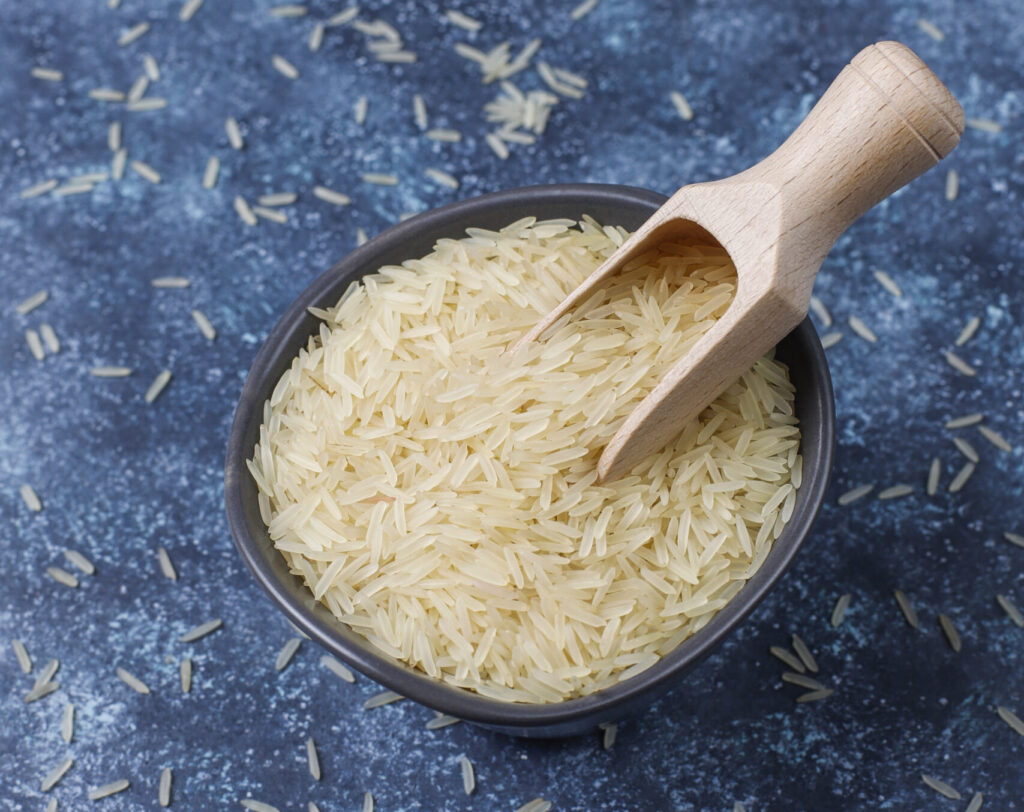
This variety is especially valued for its ability to hold its shape after cooking.
Basmati Rice’s Nutritious Value
In addition to being tasty, basmati rice offers vital nutrients.
Important nutrients consist of:
• Energy from carbohydrates
• Moderate to low protein
• Very little fat
• A few minerals and vitamins
Specifically, brown basmati rice has higher fiber, which improves digestion.
Benefits of Basmati Rice for Health:
The following are some of the primary advantages of eating basmati rice:
1. Simple to Understand
Because basmati rice is easy to digest and light on the stomach, it may be used for everyday meals.
2. Minimal Fat
It is a great choice for people controlling their weight because it has very little fat.
3. Encourages Energy Levels
It offers long-lasting energy throughout the day since it is high in carbs.
4. Reduced Glycemic Index
Basmati rice has a lower glycemic index than ordinary white rice, which aids in improved blood sugar control.
How to Make Perfect Basmati Rice:
The flavor and texture of basmati rice are improved by proper cooking.
Methodical Approach:
1. Give the rice a good rinse until the water flows clear.
2. Soak for 20 to 30 minutes (recommended but not required).
3. Use a rice to water ratio of 1:2.
4. Bring to a boil, then reduce the heat.
5. Before serving, let it rest for five minutes.
6. Use a fork to lightly fluff.
Long, distinct, and fragrant grains are guaranteed by this technique.
Popular Recipes Using Basmati Rice
Many different recipes call for basmati rice, including:
• Biryani
• Play
Rice that has been fried
• Jeers rice
• Just steamed rice
Because of its adaptability, it may be used in both Indian and foreign cuisines.
The Reasons Behind the Global Popularity of Basmati Rice
The following factors are driving up the demand for basmati rice worldwide:
• Superior quality and fragrance
• Adaptability in the kitchen
• Advantages for health
• India has a significant export footprint
In North American, European, and Middle Eastern markets, it is particularly well-liked.
Advice for Purchasing High-Grade Basmati Rice
Remember these things when you buy basmati rice:
• Seek out lengthy, consistent grains
• Look for aged rice, which has a superior flavor and scent.
Steer clear of smashed grains.
Select a reputable brand.
In conclusion
More than just a basic dish, basmati rice is a representation of flavor, quality, and history. It stands out as one of the best rice varieties in the world due to its rich history, health advantages, and widespread appeal.
Basmati rice consistently provides the ideal experience, whether you are preparing a straightforward dinner or an elaborate cuisine.