
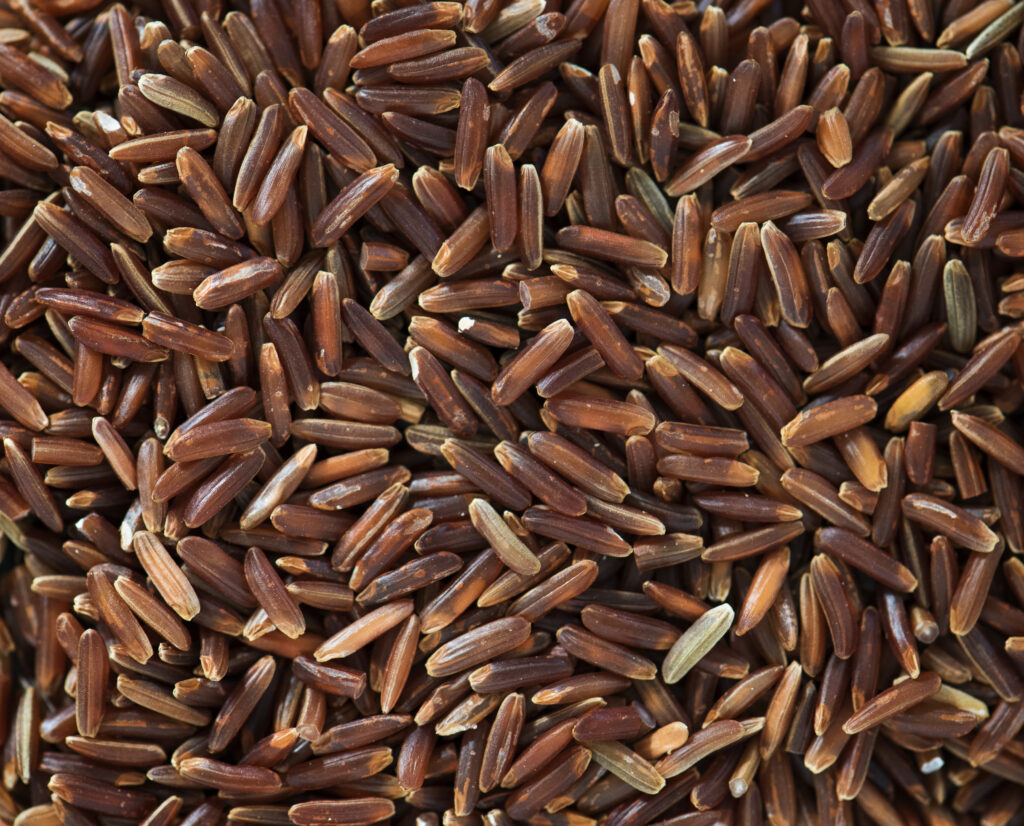
Welcome to a deep dive into one of the most beloved and nutritious staples in kitchens worldwide—brown rice. Whether you’re a health-conscious eater, a curious foodie, or someone simply seeking better alternatives to white rice, this guide is your go-to resource. We’ll explore what this really is, why it’s considered so healthy, how to cook it perfectly, and even ways to spice up your meals with it. So grab a cup of your favorite drink, and let’s embark on a flavorful journey through the world of brown rice!
What Is Brown Rice?
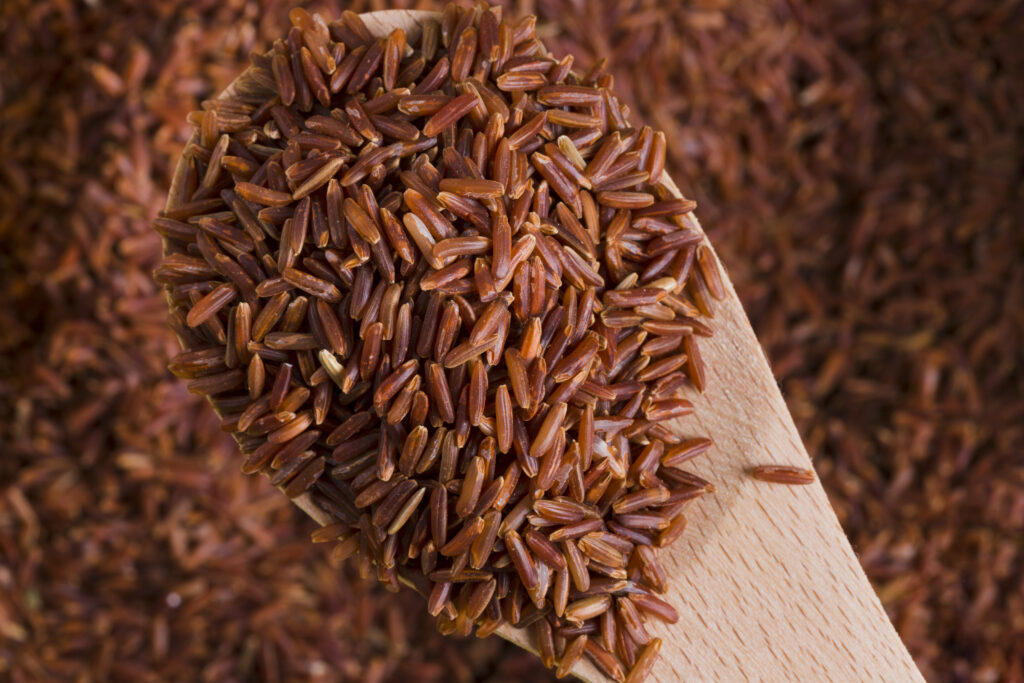
At its simplest, this is whole grain rice. Unlike white rice, it retains the bran and germ layers, which are rich in fiber, vitamins, and minerals. This natural outer layer gives brown rice its distinctive tan color and nutty flavor. While white rice undergoes polishing that strips these layers away, brown rice keeps them intact, making it a more wholesome choice.
You might wonder why this matters. The bran and germ aren’t just for show—they pack nutrition and texture. That slight chewiness and earthy taste are loved by many, adding character to meals that white rice just can’t match.
Why Choose Brown Rice? The Health Benefits
Choosing this goes beyond flavor—it’s a small, powerful step for better health. Here’s why this grain deserves a spot on your plate:
- Rich in Fiber: Brown Basmati rice contains about three times more fiber than white rice, promoting digestion and helping you feel fuller longer.
- Loaded with Minerals: It’s a good source of magnesium, phosphorus, and selenium, which support everything from bone health to immune function.
- Lower Glycemic Index: This causes a slower rise in blood sugar, making it friendlier for those managing diabetes or blood sugar levels.
- Heart Health: The fiber and antioxidants in this can contribute to better cholesterol levels and cardiovascular health.
- Weight Management: Thanks to its fiber and nutrient density, it helps control appetite and supports a balanced diet.
Of course, It is just one piece of a healthy diet puzzle, but it’s a particularly versatile and easy one to include.
How to Cook Brown Rice Perfectly Every Time
If you’ve tried cooking this before and ended up with mushy, undercooked, or burnt results, you’re not alone. This requires a bit more attention than white rice, but once you crack the code, it’s smooth sailing.
Here’s a foolproof method:
- Rinse 1 cup of brown rice under cold water to remove excess starch.
- Combine the rice with 2 ½ cups of water in a pot.
- Bring to a boil, then reduce heat to low, cover, and simmer for about 45 minutes.
- Turn off the heat and let it sit, covered, for another 10 minutes to steam.
- Fluff with a fork and enjoy!
For extra flavor, cook the rice in vegetable or chicken broth, or toss in a bay leaf or some garlic before simmering. An electric rice cooker or Instant Pot can also take the guesswork out.
Brown Rice vs. White Rice: Which Should You Pick?
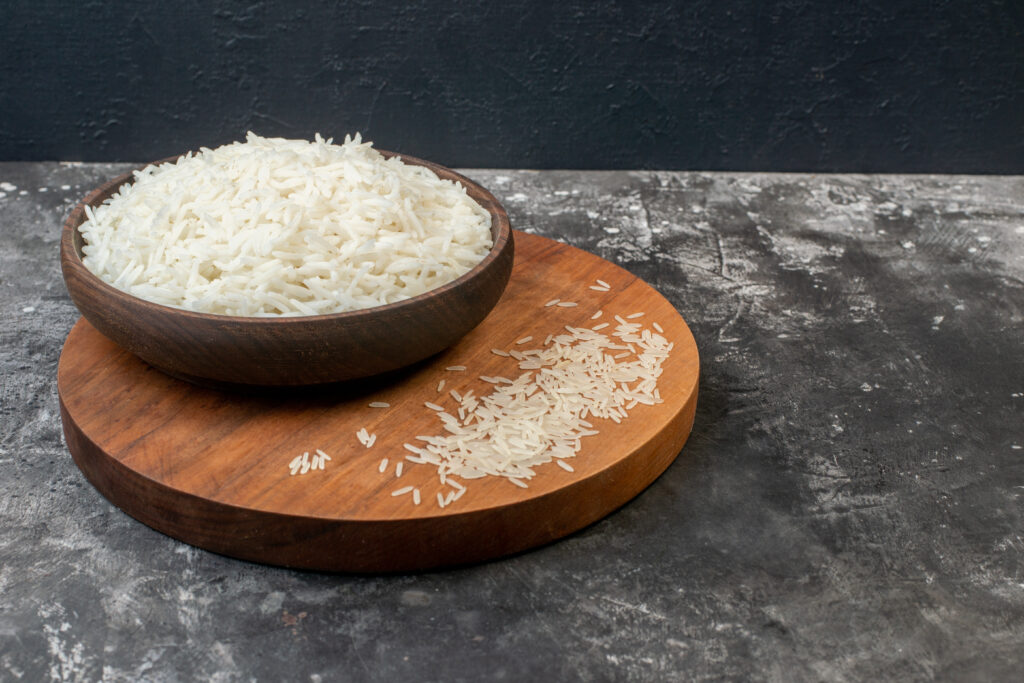
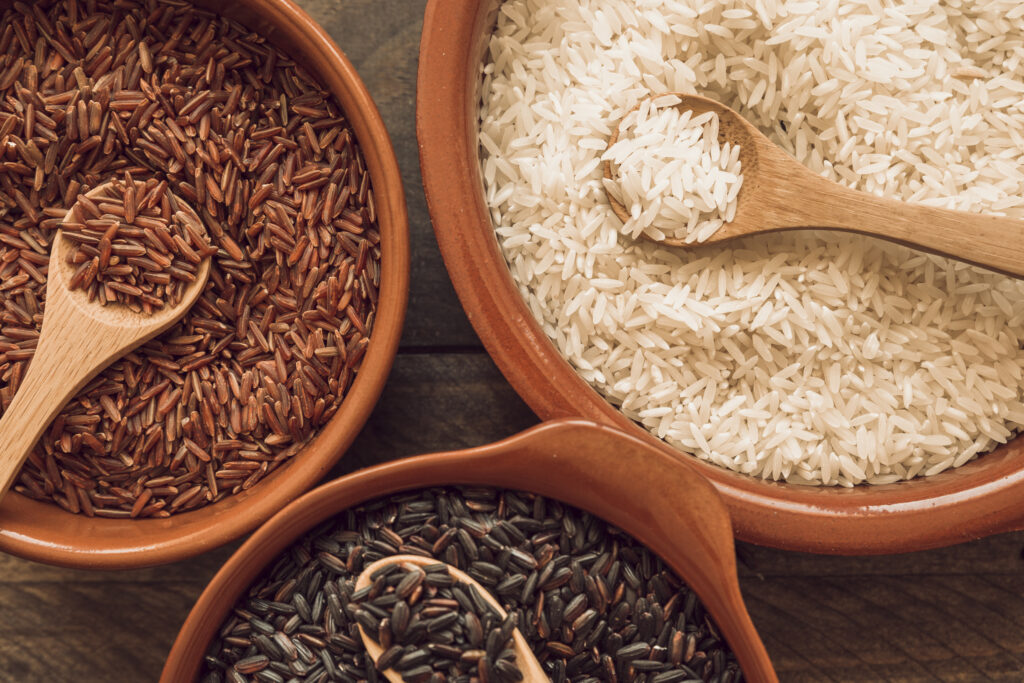
The age-old question! While white rice is often preferred for its soft texture and quick cooking time, this shines nutritionally. It’s higher in fiber, vitamins, and minerals because it’s less processed. That said, white rice isn’t “bad” and can be part of a balanced diet, especially if fortified.
Your choice ultimately depends on dietary needs, taste preferences, and recipes. If you’re prioritizing health and sustained energy, brown rice is a fantastic staple to build your meals around.
Delicious Ways to Enjoy Brown Rice
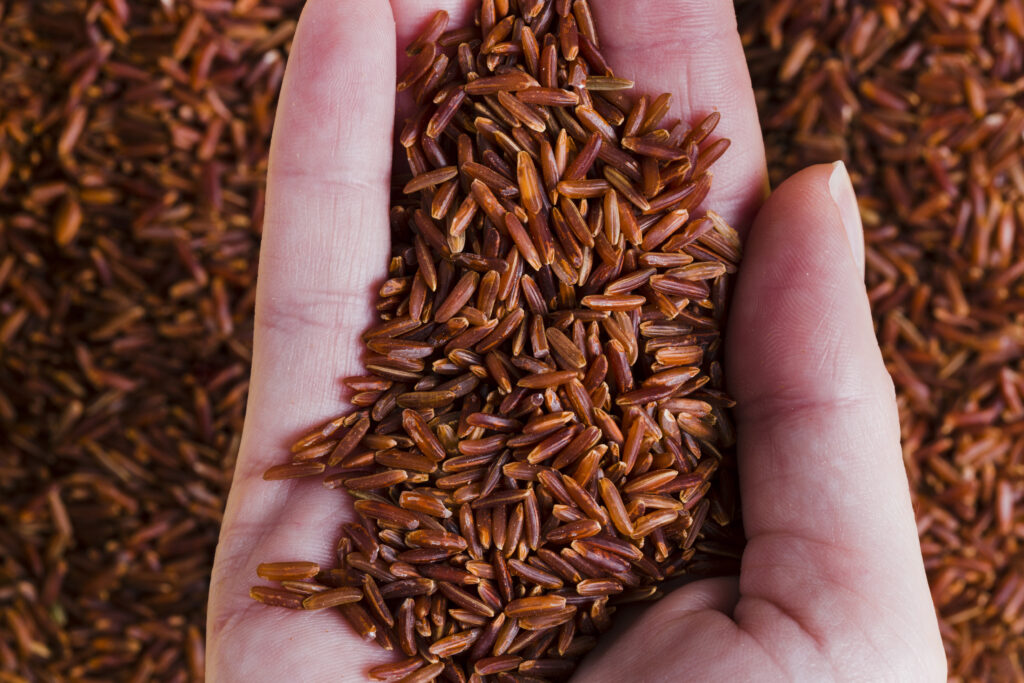
Once you’ve mastered cooking, the possibilities with this are endless. Here are a few ideas to keep things fresh and exciting:
- Salads: Toss cooked, cooled brown rice with fresh veggies, herbs, nuts, and a zesty vinaigrette for a hearty salad.
- Stir-Fries: Swap white rice for this rice in your favourite stir-fry recipes. The nutty texture stands up beautifully to sautéed veggies and sauces.
- Rice Bowls: Build nourishing bowls with rice as the base—top with roasted veggies, beans, avocado, a protein of choice, and a drizzle of tahini or salsa.
- Soups and Stews: Add cooked brown rice to give soups extra bulk and fiber.
- Baked Goods: Brown rice flour, made from ground rice, is gaining popularity for gluten-free baking, offering a unique flavor and texture.
Brown Rice Varieties and Their Unique Traits
This isn’t a one-size-fits-all grain. Various types bring different textures and flavors to the table:
- Long-Grain Brown Rice: Fluffier and less sticky—ideal for pilafs and side dishes.
- Short-Grain Brown Rice: Stickier and chewier—great for sushi, risotto-style dishes, or Korean bibimbap.
- Basmati Brown Rice: Aromatic and slightly nutty, perfect for Indian and Middle Eastern cuisine.
- Black and Red Brown Rice: These are pigmented whole grain rices packed with antioxidants and bold flavors.
Experiment with different kinds to discover your favorite.
Is Brown Rice Environmentally Friendly?
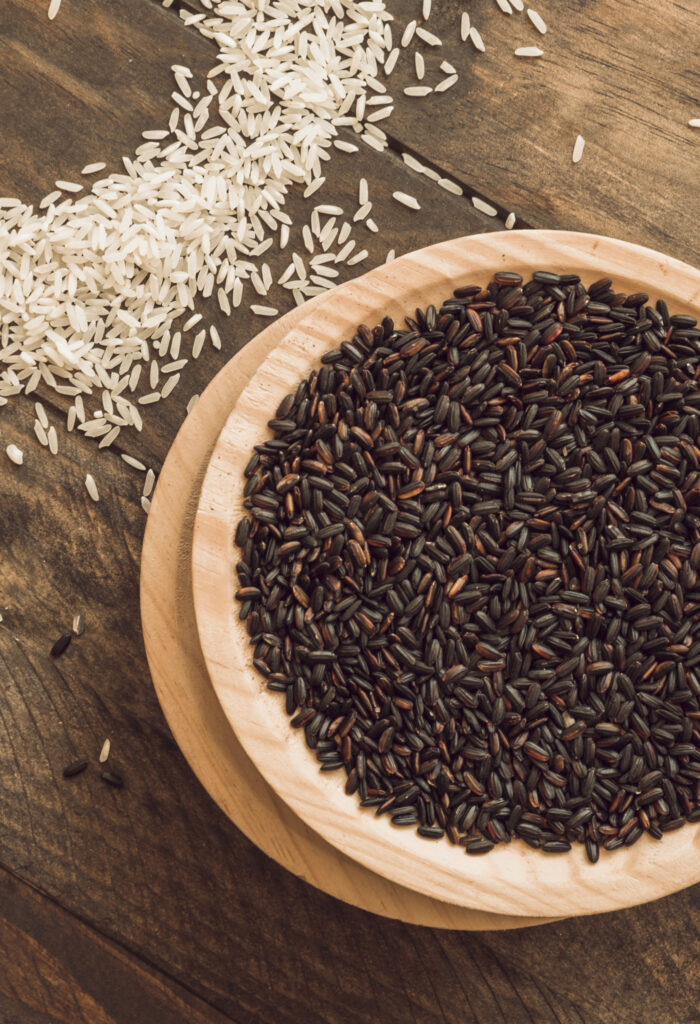
When thinking about whole grains, sustainability matters too. It is generally considered an environmentally responsible choice since it requires less processing (and thus less energy) than white rice. Like most crops, factors such as farming practices and regional water use can impact its footprint, so opting for organic or locally sourced brown rice can boost the eco-friendliness of your meals.
Potential Considerations: Arsenic and Preparation Tips
One word of caution: like many grains and cereals, it can contain trace amounts of arsenic from soil and water. To minimize this, it’s smart to rinse your rice thoroughly and cook it with plenty of water—draining any excess afterward. Quantity matters too; varied diets reduce any potential risk.
In general, these precautions shouldn’t deter you from enjoying brown rice, but it’s always a good idea to stay informed.
Wrap-Up: Why Brown Rice Deserves a Spot in Your Kitchen
Brown rice isn’t just a grain; it’s a nutritional powerhouse, a versatile kitchen companion, and a subtle flavor enhancer all rolled into one. From boosting your fiber intake to providing essential nutrients that support whole-body health, it’s a small change that can make a big difference.
Whether you’re cooking up a comforting bowl of rice and beans, crafting a vibrant grain salad, or trying your hand at gluten-free baking, brown rice offers a world of possibilities. So next time you’re at the grocery store, why not reach for that brown bag? Your body—and your taste buds—will thank you.
Thanks for joining me on this adventure! Next week, we’ll unravel the mysteries of quinoa, another super grain making waves for its nutritional punch and culinary versatility. Stay curious, stay nourished!
Great content! Keep up the good work!